The Long Haul: Practical Strategies and Community Resources for Scout Leaders Facing Volunteer Fatigue
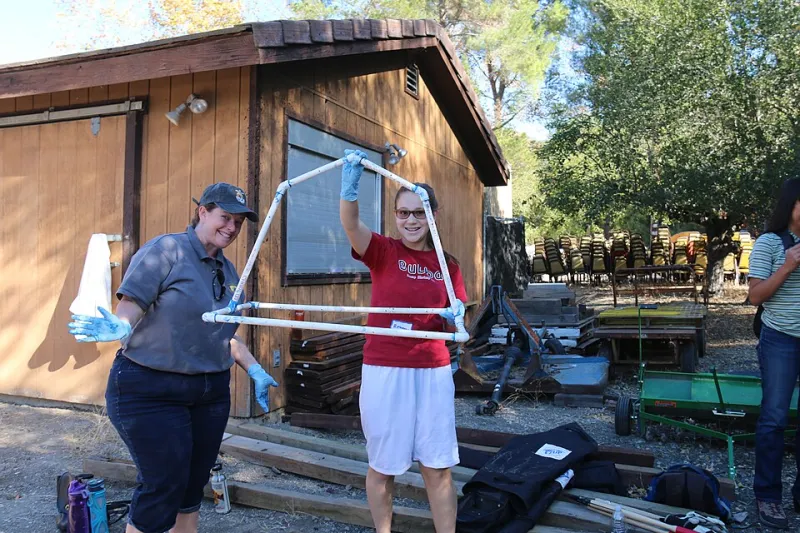
Photo: Pacific Southwest Region USFWS from Sacramento, US, Public domain, via Wikimedia Commons
There is a particular kind of exhaustion that does not announce itself loudly. It accumulates quietly—in the stack of unanswered emails from parents, in the weekend camping trips that cut into family time, in the administrative paperwork that seems to multiply faster than the troop can complete it. For many scout leaders across the United States, this is the slow erosion of passion that precedes a difficult decision: to step back, or to keep going.
Volunteer retention is a structural challenge that scouting organizations have grappled with for years, and it has grown more acute in the post-pandemic landscape, where demands on people's time and attention have intensified. The consequences are significant. When experienced leaders burn out and leave, troops lose institutional knowledge, mentorship continuity, and the kind of steady adult presence that scouts depend on. Recruiting new volunteers is difficult; retaining skilled, committed ones is even harder.
This piece is written for the scout leader who is starting to feel the weight—and for the troop committees and chartered organization representatives who want to build the kind of culture that keeps good leaders in place.
Understanding What Burnout Actually Looks Like
Burnout in volunteer contexts does not always resemble the dramatic breaking points we might imagine. More often, it surfaces as subtle disengagement: a leader who stops initiating new program ideas, who begins showing up to meetings without their usual energy, or who finds themselves dreading responsibilities they once genuinely enjoyed.
Common contributors to burnout among scout leaders include:
- Scope creep. Many leaders begin with a defined role and gradually absorb responsibilities that were never formally assigned to them. Over time, the gap between what they signed up for and what they are actually doing widens considerably.
- Isolation. Particularly in smaller or rural troops, leaders may feel they are operating without adequate support from other adults, the chartered organization, or their district.
- Administrative overload. Compliance paperwork, recharter processes, online training requirements, and digital record-keeping have added layers of administrative work that were not part of the volunteer experience a decade ago.
- Lack of recognition. Volunteers rarely enter scouting for accolades, but the absence of even informal acknowledgment—from troop committees, parents, or district leadership—can quietly erode motivation over time.
- Family strain. Many scout leaders are also parents of scouts in their own troop, which means the boundary between their volunteer role and their family life is consistently blurred.
What Experienced Leaders Have Learned
Leaders who have navigated burnout and found sustainable rhythms tend to share a few common insights, even when their circumstances differ significantly.
One recurring theme is the importance of deliberately defining limits. Leaders who thrive long-term are rarely those who said yes to everything; they are those who developed a clear understanding of their own capacity and communicated it honestly to their troop committees. This is not a failure of dedication—it is a prerequisite for longevity.
Another consistent finding is the value of peer connection. Leaders who participate in district roundtables, attend Wood Badge training, or maintain informal networks with other scouters in their council report higher satisfaction and lower rates of attrition. There is something irreplaceable about being in a room—or on a call—with other adults who understand exactly what you are managing.
Finally, leaders who have weathered difficult periods often point to a moment of role recalibration as a turning point. This might mean stepping back from a position of greater responsibility to a more focused one, or transitioning from a frontline program role to a committee support function. Within scouting, there are many ways to contribute, and not all of them require the same level of sustained intensity.
Building a Troop Culture That Prevents Burnout
Individual resilience matters, but structural conditions matter more. Troops and chartered organizations that retain leaders over the long term tend to share certain organizational characteristics.
Distributed responsibility. When a single leader is the load-bearing pillar of a troop's operations, the entire structure is vulnerable. Effective troop committees actively recruit and develop multiple adult volunteers, ensuring that no one person carries an unsustainable share of the work.
Clear role definitions. Ambiguity about who is responsible for what is a reliable source of friction and resentment. Troops that invest time in clearly defining volunteer roles—and revisiting those definitions annually—reduce the likelihood that individuals will find themselves overextended without realizing how it happened.
Regular check-ins with adult volunteers. Just as scouts benefit from periodic advancement conferences, adult volunteers benefit from intentional conversations about how they are doing in their roles. A troop committee chair who asks leaders directly how they are managing—and listens to the answer—is performing a meaningful act of institutional care.
Celebration of service. Recognition does not require elaborate ceremonies. A sincere acknowledgment at a troop meeting, a note from a committee chair, or a nomination for a district-level volunteer award can meaningfully reinforce a leader's sense of purpose.
Resources and Support Networks for Scout Leaders
For leaders who are actively struggling, or who want to build greater resilience before reaching a breaking point, a number of resources are worth knowing about.
BSA's Wood Badge Training. Often described as the premier leadership development experience in scouting, Wood Badge provides both practical skills and a cohort of fellow leaders who become a lasting support network. Many alumni describe the experience as professionally and personally transformative.
District Roundtables. Monthly gatherings organized at the district level, roundtables offer a structured opportunity for leaders from different troops to share resources, troubleshoot challenges, and connect with district staff who can provide guidance and support.
BSA's Volunteer Support Resources. The BSA's national and council-level websites offer training modules, guides for troop committee members, and materials specifically designed to help volunteers understand their roles and manage their responsibilities effectively.
Mental Health America and Similar Organizations. For leaders experiencing burnout that has crossed into more serious emotional or psychological territory, national organizations like Mental Health America (mhanational.org) offer screening tools, resource directories, and referrals to local support services. Volunteer fatigue is a real occupational stressor, and seeking professional support is a sign of self-awareness, not weakness.
ScoutDB's Leader Directory and Community Resources. ScoutDB maintains a growing directory of training programs, support organizations, and community networks organized by region and program type. Leaders looking for peer connections, mentorship opportunities, or specialized training resources are encouraged to explore the directory as a starting point.
A Final Word
The scout leaders who keep showing up—year after year, campout after campout—are among the most valuable volunteers in American civic life. They deserve not just gratitude, but the structural support and community infrastructure that make sustained service genuinely possible.
Burnout is not a personal failure. It is a signal worth listening to. And in scouting, as in the programs we run for young people, the wisest response to a signal is not to ignore it—but to use it to find a better path forward.