Logged In or Left Behind: The Digital Divide Reshaping How Scout Troops Operate

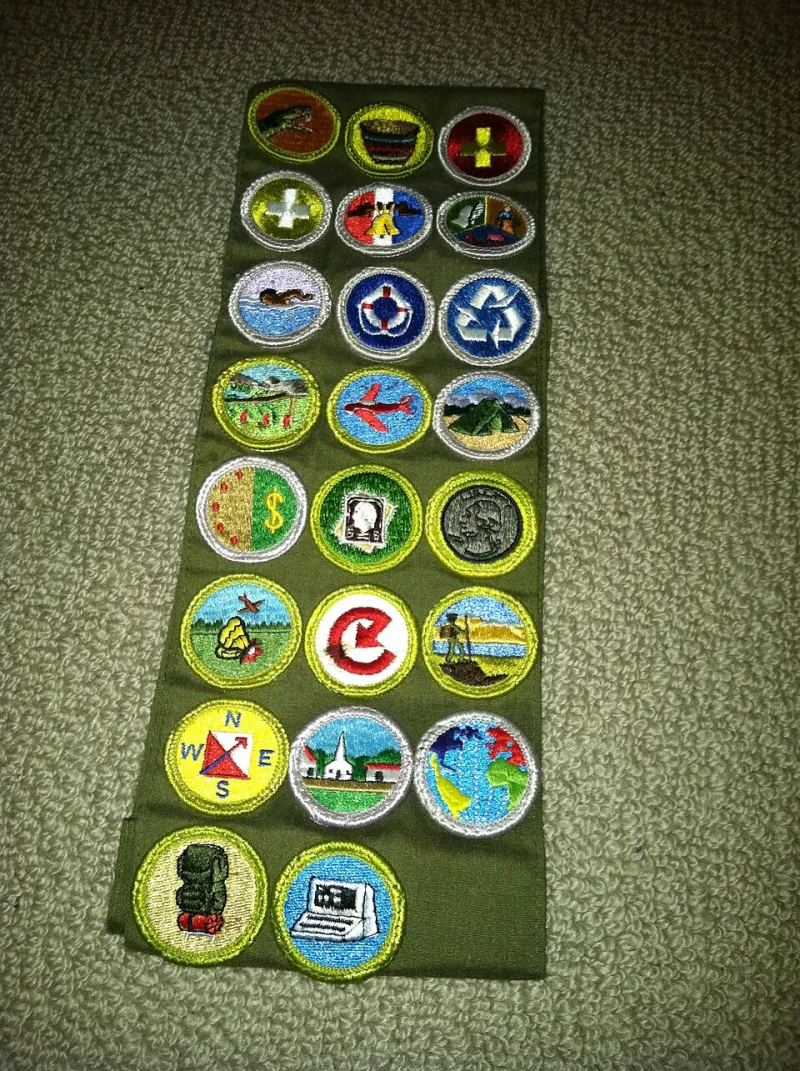
Photo: James Carroll Mansfield, Public domain, via Wikimedia Commons
For decades, the administrative backbone of a scout troop was a filing cabinet, a three-ring binder, and a volunteer leader willing to spend Sunday evenings reconciling handwritten attendance sheets. That image, while still familiar in some community centers and church basements across America, is becoming increasingly obsolete. A new generation of digital platforms is reshaping the operational side of scouting—and the gap between units that have embraced these tools and those that haven't is growing wider by the year.
ScoutDB spoke with troop leaders, council administrators, and program coordinators from across the United States to understand how technology is being adopted at the unit level, which solutions are delivering genuine value, and why a significant portion of the volunteer workforce remains hesitant to make the digital transition.
The Tools That Are Actually Being Used
The most commonly referenced platform among the leaders we interviewed was Scoutbook, the BSA's official digital tool for tracking advancement, scheduling, and communication. For troops affiliated with Boy Scouts of America, Scoutbook functions as a centralized hub—allowing leaders to log attendance, record merit badge progress, and message parents directly through a single interface.
"It took our troop about six months to fully migrate to Scoutbook, but now I can't imagine going back," said a Scoutmaster from suburban Columbus, Ohio, who has led his unit for eleven years. "Parents can see their kid's advancement in real time. That alone has cut my email volume in half."
Beyond Scoutbook, many leaders have supplemented their workflows with general-purpose tools not specifically designed for youth organizations. Google Workspace—particularly Google Sheets and Google Forms—remains widely used for everything from trip sign-up coordination to equipment inventory. GroupMe and Band have found footholds as communication platforms, especially among troops with active parent volunteer networks.
For organizations outside the BSA umbrella, including Girl Scouts of the USA units, 4-H clubs, and independent youth programs, the landscape is more fragmented. Several leaders mentioned using a patchwork of consumer apps—Venmo for collecting dues, SignUpGenius for volunteer coordination, and Remind for parent notifications—rather than any single integrated system.
Where the Pain Points Concentrate
Despite the availability of capable tools, frustration is common. The most frequently cited complaint among leaders is not a lack of software options but an excess of them—each solving one problem while creating new ones.
"I'm managing three different apps just to run one troop," said a committee chair from rural Tennessee who oversees a Girl Scout troop of twenty-two members. "One for messaging, one for tracking cookie sales, one for events. None of them talk to each other. It's not simpler than paper—it's just digital chaos."
Data entry burden emerged as another significant pain point. Many platforms require manual input of advancement records, and when a scout transfers from another unit, migrating their history into a new system can be a time-consuming ordeal. Leaders who work with councils spanning large geographic areas noted that inconsistent platform adoption across units creates coordination headaches during district events and camporees.
Privacy and data security concerns also surfaced repeatedly, particularly among leaders working with younger age groups. Several respondents expressed discomfort with storing minors' information on third-party platforms whose data practices they did not fully understand.
The Adoption Gap: Who Is Falling Behind and Why
National-level data on digital tool adoption within scouting organizations is limited, but the pattern that emerged from ScoutDB's interviews was consistent: urban and suburban troops with younger, professionally employed adult volunteers tend to adopt new technology quickly, while rural units and those led by older volunteers often lag significantly.
This is not simply a matter of technological literacy. Many experienced leaders expressed principled skepticism about digitizing youth programs. "Scouting is supposed to be about getting kids off screens," said a veteran leader from western Montana with more than two decades of service. "I'm not convinced that running the troop through an app is actually better for the kids, even if it's more convenient for the adults."
Training availability is another structural barrier. Councils vary considerably in the support they offer for platform onboarding, and volunteer leaders—who are, by definition, unpaid—have limited bandwidth to self-educate on new software between managing their professional and family responsibilities.
Emerging Platforms Built for Youth Organizations
A small but growing number of software developers have recognized the unmet need for purpose-built solutions targeting youth program administrators. Platforms such as TroopTrack and Troopmaster have existed for years in niche capacities, offering more robust feature sets than general consumer apps. More recently, newer entrants have begun incorporating mobile-first design, automated advancement alerts, and integrated payment processing for dues and event fees.
Several council administrators noted interest in platforms that could aggregate data across an entire district—enabling better reporting on participation trends, advancement rates, and volunteer retention without requiring unit leaders to submit manual reports.
"The holy grail is a system that works for the Scoutmaster who isn't particularly tech-savvy but also gives district executives the reporting they need," said a council program director based in the Pacific Northwest. "We haven't found that yet, but we're getting closer."
What Effective Adoption Actually Looks Like
The troops that reported the highest satisfaction with their digital workflows shared a few common characteristics. First, they had designated a single adult volunteer—often called a troop administrator or committee secretary—to own the technology stack rather than distributing that responsibility across multiple leaders. Second, they had standardized on a small number of tools and resisted the temptation to add new apps every time a new problem emerged. Third, they had invested time upfront in onboarding parents, recognizing that a platform is only as effective as its least-engaged user.
Perhaps most importantly, the leaders who reported genuine operational improvements from digital tools were those who had approached technology as a means to an end—freeing up time and mental energy so that adult volunteers could focus on program quality and youth mentorship rather than administrative overhead.
Looking Ahead
As scouting organizations continue to compete for young people's attention in an increasingly crowded youth activity marketplace, operational efficiency has real strategic stakes. Troops that can reduce friction for busy families—through streamlined communication, transparent advancement tracking, and easy event registration—are better positioned to retain members and attract new ones.
The technology to accomplish this largely exists. The remaining challenge is cultural and logistical: helping a volunteer workforce that is already stretched thin find the time, training, and institutional support to make the transition. For councils and national organizations, that may mean investing more deliberately in technology onboarding as a core component of leader development—not an afterthought.
For ScoutDB's community of program administrators and troop leaders, the question is no longer whether digital tools belong in scouting. It is how to ensure that every unit, regardless of geography or volunteer demographics, has a realistic path to using them well.