From Guesswork to Growth: How Scout Organizations Are Using Data Analytics to Build Better Programs
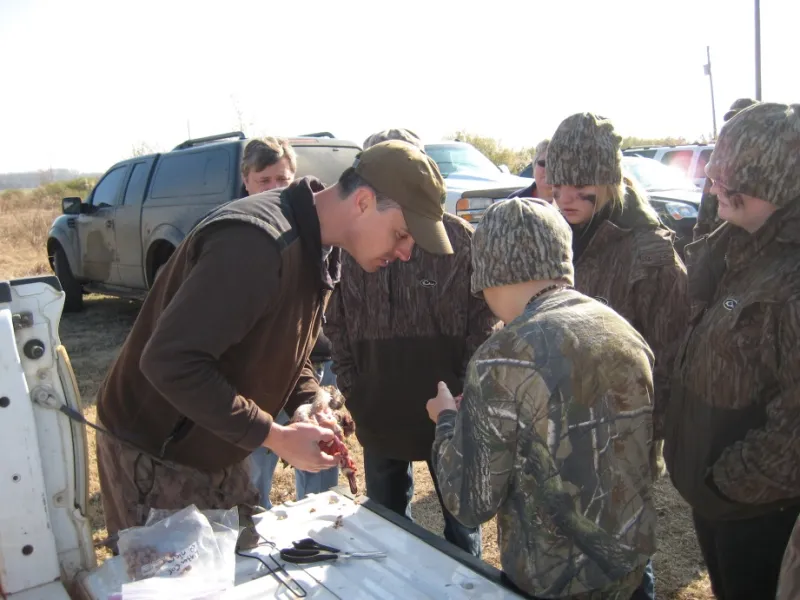
Photo: USFWS/Southeast, Public domain, via Wikimedia Commons
For decades, troop planning in scouting organizations followed a familiar rhythm: experienced leaders drew on personal memory, informal feedback, and institutional tradition to shape each program year. If an outing succeeded, it was repeated. If enrollment dipped, leaders speculated about causes without much concrete evidence to guide a response. That approach, while well-intentioned, left significant room for missed opportunities—and for scouts who might have been better served by a more responsive program.
Today, a measurable shift is underway. Across the United States, forward-thinking councils and individual troops are adopting structured data management practices that transform raw program information into strategic intelligence. The result is a new generation of scouting programs that are more precisely calibrated to the young people they serve.
The Information Gap That Has Long Defined Troop Management
Before exploring what data-driven planning looks like in practice, it is worth understanding the problem it addresses. Most scout troops have historically maintained records in fragmented ways—paper sign-in sheets, spreadsheets maintained by individual volunteers, and advancement logs stored in separate systems that rarely communicate with one another. When leadership transitions occur, institutional knowledge often walks out the door with departing volunteers.
This fragmentation creates blind spots. A troop may not recognize that a particular merit badge consistently sees high dropout rates at a specific requirement. Leaders may not notice that participation in camping events declines sharply after the first year of membership, or that scouts from certain zip codes are less likely to advance at the same pace as their peers. Without organized data, these patterns remain invisible—and invisible problems rarely get solved.
What a Data-Informed Troop Actually Looks Like
The terminology of "data analytics" can sound intimidating in a volunteer-led context, but the practical reality is considerably more accessible than it might appear. For most scout organizations, the transformation begins not with sophisticated software but with a commitment to collecting consistent information and reviewing it on a structured schedule.
Consider a council in the Pacific Northwest that began tracking meeting attendance alongside advancement milestones for each registered scout. Within two program cycles, coordinators identified a clear correlation: scouts who missed more than three consecutive meetings in their first six months were significantly less likely to remain active through their second year. That single finding prompted a targeted outreach protocol—a personal check-in from a troop leader following the second consecutive absence—that meaningfully improved early retention rates.
The data did not make the decision; the leaders did. But the data made an informed decision possible.
Skill Gap Identification as a Planning Tool
One of the most practical applications of organized program data involves identifying where scouts are struggling before those struggles lead to disengagement. When advancement records are stored in a centralized, searchable system, program coordinators can run reports that reveal which requirements are most frequently incomplete, which merit badges have the lowest completion rates, and where scouts tend to stall on their advancement journey.
A troop in suburban Ohio used this approach to discover that a disproportionate number of their scouts were failing to complete first aid requirements—not because of disinterest, but because scheduled first aid instruction sessions consistently conflicted with school sports schedules in the fall semester. Shifting those sessions to late winter produced an immediate improvement in completion rates. The solution was simple; finding it required organized information.
This kind of targeted curriculum adjustment is only possible when leaders have visibility into program-wide patterns rather than relying on anecdotal impressions from individual meetings.
Resource Allocation and the Case for Evidence-Based Budgeting
For volunteer organizations operating on constrained budgets, resource decisions carry real consequences. Investing in equipment, training, or programming that does not serve the actual needs of a troop's membership represents a cost that extends beyond dollars—it represents time and energy that could have been directed elsewhere.
Data-informed planning provides a foundation for more deliberate budgeting. When a troop can demonstrate, through participation records, that wilderness survival programming consistently draws the highest engagement across age groups, that evidence supports prioritizing related equipment purchases and leader training. Conversely, when data reveals that a long-standing program tradition attracts minimal participation year after year, leaders have an objective basis for reconsidering that investment.
Several councils have begun requiring troops to submit basic participation and advancement metrics as part of their annual recharter process. This practice not only builds a regional picture of program health but also encourages individual troops to develop the data collection habits that support better local decision-making.
Digital Tools and the Expanding Role of Scouting Databases
The infrastructure supporting data-driven troop management has improved substantially in recent years. Platforms designed specifically for youth organizations now offer features that allow leaders to log attendance, track advancement, manage communications, and generate summary reports without requiring technical expertise. Some systems integrate directly with national scouting organization databases, reducing duplicate data entry and improving accuracy.
For councils and district-level administrators, these tools offer an aggregated view of program health across multiple units—enabling the kind of comparative analysis that can surface systemic issues and highlight successful practices worth sharing. A district executive who can see, at a glance, which troops in their territory have the strongest first-year retention rates is better positioned to facilitate peer learning among volunteer leaders.
The directory and database infrastructure that ScoutDB supports at the organizational level mirrors this principle: when information is organized, searchable, and consistently maintained, the entire ecosystem of scouting becomes more navigable for leaders, families, and administrators alike.
Addressing Privacy and Volunteer Capacity Concerns
Adopting data practices in a volunteer-led organization is not without challenges. Privacy considerations are paramount when maintaining records about minors, and any data system used by a scout troop must comply with applicable regulations governing youth information. Leaders responsible for implementing these systems should consult with their council's legal and administrative resources before establishing new data collection practices.
Volunteer capacity is an equally legitimate concern. Asking already-stretched troop leaders to maintain detailed records requires that the systems in place be genuinely user-friendly and that the value of the information collected be clearly communicated. When volunteers understand that the data they enter helps the troop make better decisions for the scouts in their care, adoption tends to follow.
The Larger Principle: Serving Youth More Effectively
At its core, the movement toward data-informed program planning is not about technology for its own sake. It reflects a deeper commitment to understanding and responding to the actual needs of the young people that scouting organizations exist to serve. Every pattern identified in a participation report, every skill gap surfaced through advancement data, and every retention trend revealed through consistent record-keeping represents an opportunity to make a scout's experience more meaningful and more successful.
Organizations that build these habits now will be better equipped to adapt as their membership evolves, as community needs shift, and as the broader landscape of youth programming continues to change. In scouting, as in so many fields, the leaders who ask the right questions—and have the information needed to answer them—are the ones best positioned to make a lasting difference.